

Mind Off. Sleep On.

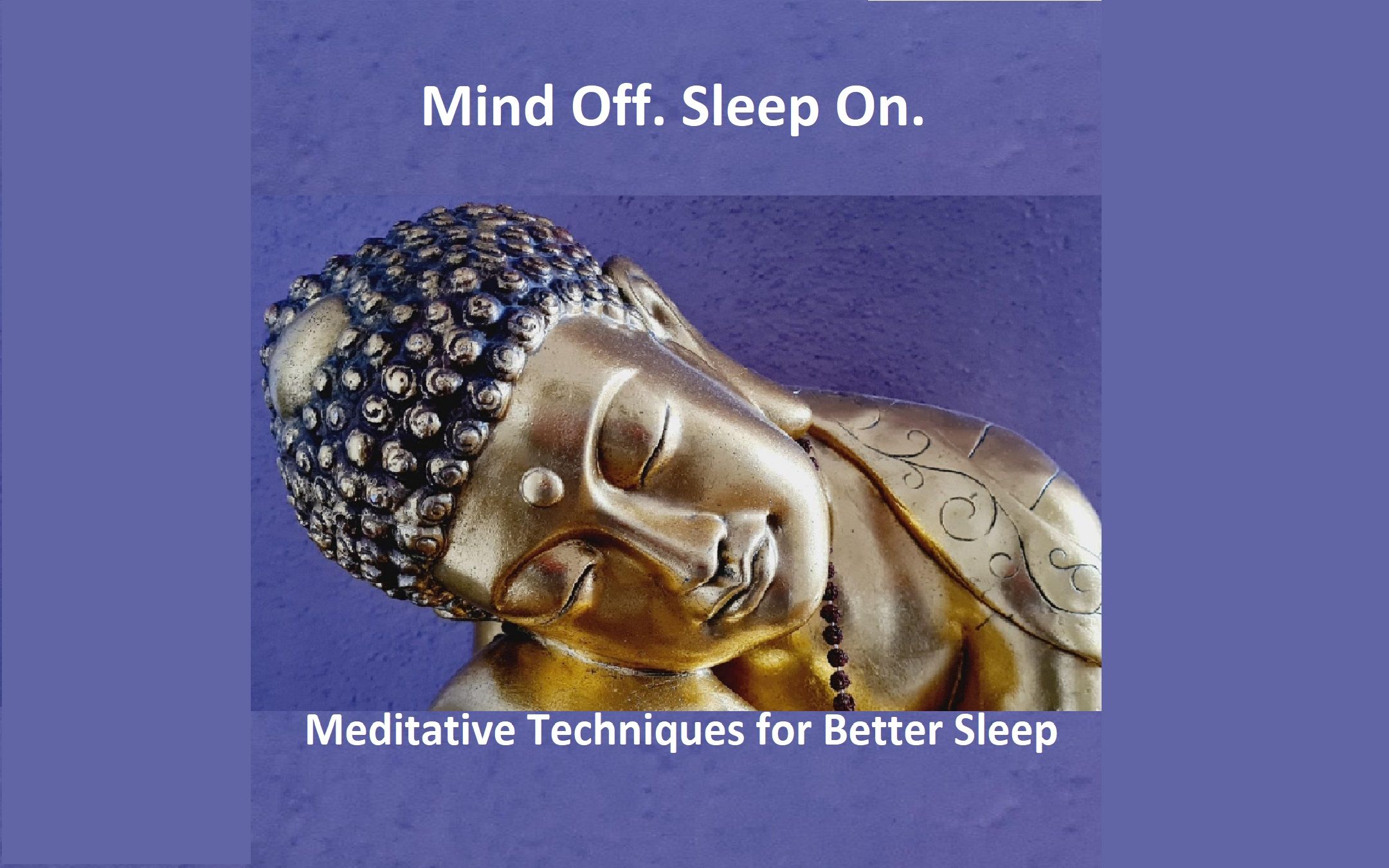
Quality sleep isn’t a luxury – it’s a necessity. Yet for many people, falling and staying asleep can be difficult. You don’t have to be a prisoner of your thoughts, especially the restless and looping ones that keep you up at night.
When your mind won’t boot down, these strategies can help you own your sleep.
Taming a Restless Mind
We think of the mind as a portal and survival tool that allows us to navigate the outer world. But the mind isn’t a tyrant to be obeyed. Instead, it is like any other organ. It can be observed, guided, and ultimately freed from its own turbulence.
There are a few practical methods that can help you cultivate inner balance and mental clarity. Through simple meditative techniques like breath awareness, gentle focus, and mindful detachment, you can shift out of mental overactivity and into a state of quiet presence.
During the day, it can be difficult to find time for meditation, but practicing these techniques to aid sleep can actually lead to a stronger daytime state of mindfulness.
These practices become powerful tools to help you unwind from the day, ease nighttime worry, and create the inner stillness needed to fall and stay asleep.
The Dreaming Mind
Maybe you wake up in the middle of the night and have difficulty going back to sleep because your mind is churning through the challenges and conflicts of the day?
When this happens, you are stepping directly out of a dream state, where the mind is still colored by the malleable, emotional, and exaggerated logic of sleep.
In this half-dreaming phase, everyday concerns can feel distorted, urgent, or overwhelming, because the brain hasn’t fully shifted back into its rational, grounded daytime mode.
Problems that would normally seem manageable get amplified by the lingering ‘fantastical’ perspective of the dreaming mind, making worries feel more dramatic than they truly are.
This is why nighttime is the worst time to think about daily challenges – the mind simply isn’t equipped for clear judgment. The thoughts you have during these groggy moments rarely reflect reality.
Instead, when you wake up from sleep and become consumed by worrying, tell yourself: “Now is not the time.” Take back control of your thoughts with this meditative technique: Picture a grey void and focus on the nothingness at its center. Push away anything that resembles an idea or thought. As you hold to the void, eventually you will drift back to sleep.
Meditation for Better Sleep
Many people struggle to sleep because their mind won't slow down. Relaxation and breathing exercises can quiet the thoughts and ease your body into sleep. Breath awareness moves us away from our thoughts and into the void where our thoughts can dissipate.
4–7–8 Breathing: Inhale for 4 seconds – hold your breath 7 seconds – exhale 8 seconds.
Progressive Muscle Relaxation: Tense and release your muscle groups from head to toe. Breathe in and out evenly as you release tension from your body.
By developing gentle focus during the day, you can harmonize the mind with the natural rhythm and flow of change. An outlook of not striving awakens you to a state of effortless calm – where you can trust in the way events flow naturally toward renewal.
Practice following, and observe events as they unfold – rather than allowing the mind to wander into the past and future. By observing thoughts without attachment, you discover how to own your mind and release negative thinking.
Put Your Mind to Bed First
Preparing for sleep can be helpful because your brain loves routine. Going to bed and waking up at the same time every day – even on weekends – trains your internal clock to expect sleep at predictable times. This consistency leads to deeper, more restorative sleep.
A relaxing, pre-sleep ritual can signal to your mind and body that it’s time to sleep. This helps reduce stress hormones and can ease you into rest mode. Prior to sleep, try light stretching or gentle yoga, a warm bath, soothing music, meditation or deep breathing.
Limit screen time before bed. Phones, laptops and TVs emit blue light, which suppresses melatonin – the hormone your body uses to initiate sleep. Additionally, scrolling keeps your brain mentally active when it should be winding down.
Make your bedroom a sleep sanctuary. Your sleep environment has a huge impact on how quickly you fall asleep and how well you stay asleep. Cool rooms (around 60–67°F or 15–19°C) promote deeper sleep. Invest in a mattress, pillows and bedding that will create an inviting sanctuary for sleep.
We are not defined by the activity of the mind and can step back from whatever thoughts arise at any moment.
Instead of wrestling with worry or restlessness, the mind can be trained to soften, quiet, and return to ease, making it far easier to drift into deep, restorative sleep.
Better sleep isn’t just about feeling rested. It’s about boosting your mood, productivity, health, and quality of life.
You wake up into your mind and follow where it leads you. But you are more than your mind and can learn to reign in its tendency to worry.
Nature designed us to sleep and dream for a period that encompasses almost half of our lives. To learn more about what guides our dreams, be sure to check out my video: Why We Dream.